Combine view helps manage wireworms
February 1, 2022
The vantage point from the seat of your combine is a great place to make observations that will help you make sound management decisions next growing season.
“It’s amazing what you can see when you get 10 feet off the ground as you’re rolling along at three miles per hour,” says Shad Milligan, Syngenta Seedcare Specialist in southern Alberta. “You start to see things in the field, like patches of weeds, that you may not have noticed before.”
What could be the culprit? Milligan says several factors may be at play, but one consideration is
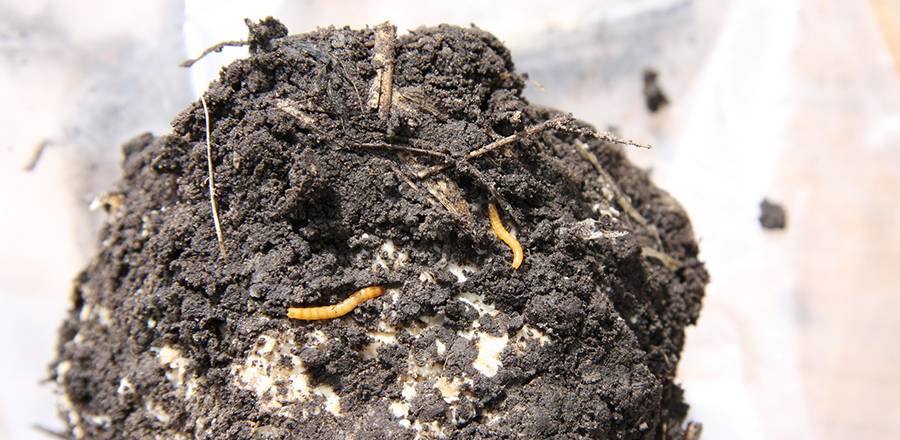
wireworm damage. Feeding from this pest can significantly reduce plant stands and give weeds an opportunity to thrive without crop competition.
Milligan notes that in nine out of 10 years there’s ample spring moisture to create favourable conditions for wireworm feeding. “When you add in cool weather and germinating seed releasing C0
2, you really have the environmental conditions to create a buffet for hungry wireworms.”
Milligan adds that increased soil moisture allows plants to bounce back from wireworm damage. However, those same conditions encourage the pests to stay in the upper soil layer longer and continue to feed on crops rather than move down to lower levels to escape warming and drying soils.
Milligan says the view from the combine can really help growers see the impact of wireworms. “Farmers know their fields best. If they plan to rotate those fields to cereals or a lentil crop, they really need to use an insecticide seed treatment to protect those plants. If they’re seeing wireworm damage, chances are next year it will be worse.”
In these fields, growers can expect to see reduced stands. They may start with an optimal plant count, but watch it decrease day by day as the wireworms feed. The effect is patchy plant stands, vulnerability to disease and yield loss.
Build your wireworm knowledge
Milligan suggests growers should be proactive when managing the pest. It starts by taking note and being educated.
He says don’t just observe problem areas the next time you’re in the combine; take the time to stop and investigate. “Go out there, pin it, flag it, GPS it. If you suspect wireworms, put a click beetle trap in the following spring and see what kind of adult wireworms you have around there,” he says. “It’s just building your database, so to speak, to make more informed decisions on what you need to do with a particular piece of land.”
Milligan explains there are different management strategies to use once you have a confirmed wireworm problem. This may include increasing seeding rates or planting at a later date when the soil has warmed up and the wireworms have moved down deeper into the soil profile.
In areas of high wireworm pressure, growers should also consider shallower seeding. “This helps the seed get out of the ground faster and move forward with its growth cycle,” Milligan says. “When you seed deeper, the plant uses more energy for emergence and wireworm feeding can reduce those energy reserves.”
Seed quality and treatment are vital
Milligan also always advises growers to put good quality seed into the ground; Syngenta recommends purchasing certified seed. If you are planning to use bin run seed, he advises, “Utilize the lab. Get a germination and a vigour test done to know what’s on your seed. It costs you pennies on the acre to get this information. Send it off to the lab. Get those germination figures and a full fungal screen to find out what’s on your seed.”
Then it’s about choosing the right seed treatment. “We’ve got
Cruiser® Vibrance® Quattro, which has the strongest fungicide package in the industry on soil-borne and seed-borne diseases, as well as an insecticide built in,” Milligan says.
By taking his advice and paying careful attention at harvest, you’ll be ready for whatever wireworms have in store next season. . “We’re seeing a lot of variability in wireworm pressure and on land where you have high pressure, it’s not likely to be any different next year. In those areas, you really need to protect your genetic investment.”
