How one PEI potato grower took control of a tough growing season with Megafol
May 20, 2026
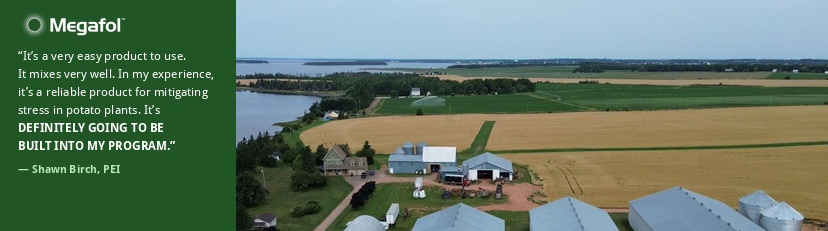
In short...
- Shawn Birch faced the driest summer on his PEI potato farm since 2001 – and needed more than his standard foliar program to protect his crop from drought and heat stress.
- Two applications of Megafol delivered 8–12 cwt yield gains over check strips, translating to an estimated $144,000–$150,000 across the whole farm.
- Convinced of the value, Shawn has built megafol into his standard program from the start of the year: "If your crop has stressful days, you're going to have a bad year."
Shawn Birch has been farming since 1994. Operating Birch Farms Ltd near Summerside, PEI alongside his brother Cory and father Melvin, Shawn grows approximately 1,100 acres of potatoes, including fries, seed and chip stock. He knows his crop and he knows his land.
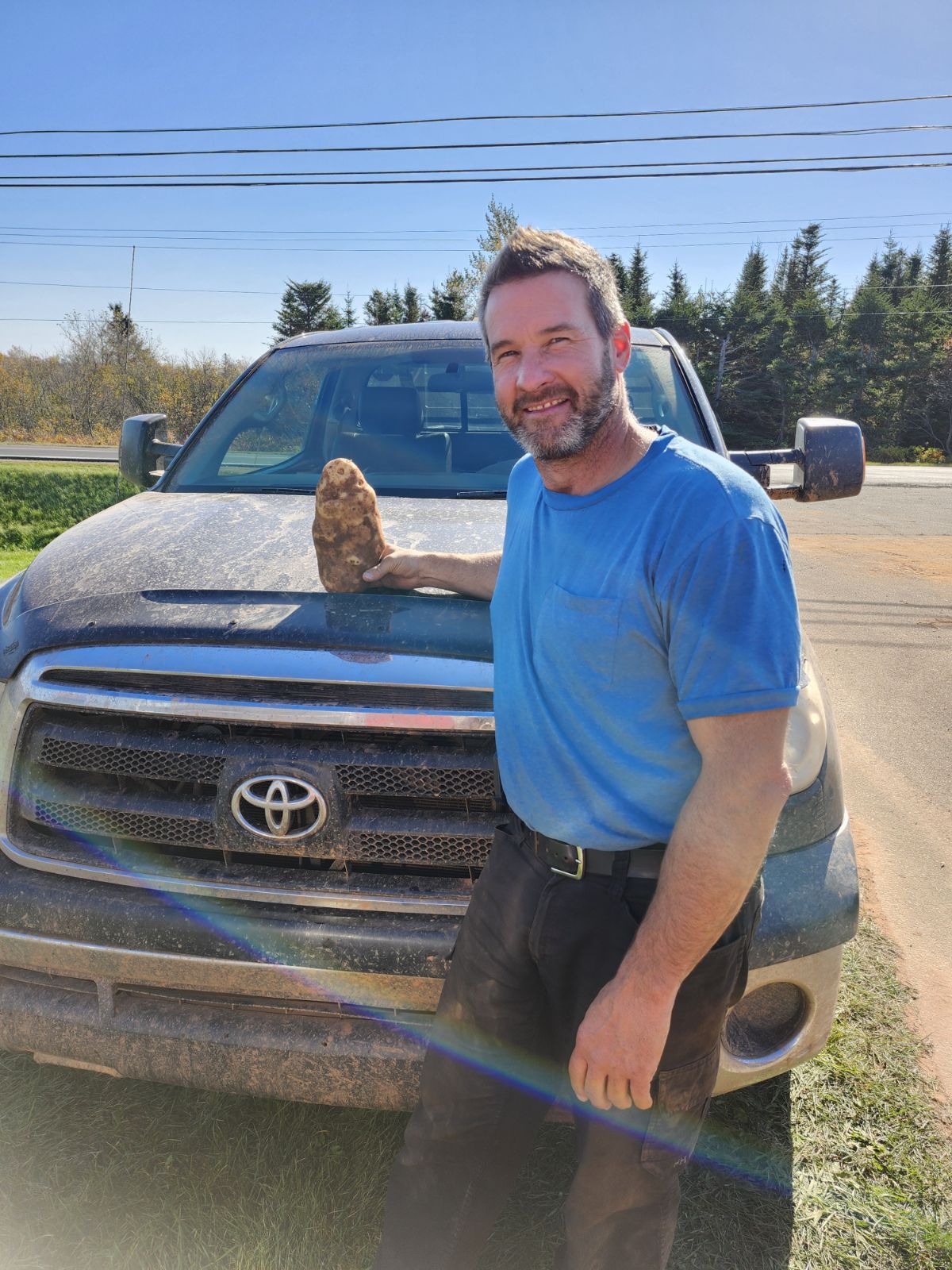
Photo caption: PEI potato grower Shawn Birch
2025 was a different kind of year
"It was the driest summer we've had since 2001," says Shawn. "After planting, we didn't see rain again. The whole summer, pretty well."
Week after week, Shawn — who still operates one of the farm’s two sprayers — watched the forecasts closely; "The forecasters were calling for rain, and within a few hours of when it was supposed to hit, the forecast would change. It was very frustrating."
With rising temperatures and no moisture relief, Shawn knew his potatoes were under serious stress, stress that would lead to yield and quality losses if he didn’t do something.
The decision to take action
Shawn already runs an intensive foliar nutrition program, but by late July, he knew he needed something more to help mitigate the stress his crop was experiencing. He'd first tried Megafol™ biostimulant the previous season on a flooded seed field after his Syngenta rep gave him product to test. Thinking back on that experience, he started exploring if Megafol could help him mitigate drought and heat stress.
When Shawn reached out to his Syngenta team, they shared some side-by-side photos from Ontario that clearly demonstrated the product’s impact. "It was night and day," they told him, and Shawn made the decision that would make a significant difference in how the year turned out. "As soon as I hung up, I called my retailer and reserved all the Megafol product they had.”
Shawn added Megafol to two planned passes in his foliar program: July 28th, and then a week later on August 8th.
Making a difference
Shawn wanted to measure the impact of Megafol, so he left check strips during application to measure his yield difference at harvest. What he saw impressed him; Megafol delivered 8 to 12 cwt yield gain over the check strips.
"Very conservatively, if we had that kind of gain across the whole farm, that's $144,000 to $150,000."
Shawn is quick to point out that yield is only part of the story. In a hot, dry year, potato quality can take a serious hit too, eating away at already challenged profit margins. High specific gravity from hot, dry conditions lead to black spot bruising that only shows up when processors start cutting fries. Other issues such as Fusarium, internal defects, and stress-related necrosis all become elevated risks with high gravity potatoes. And every quality issue carries an additional cost: dockage.
In an average year, Shawn can see 4% to 6% dockage at the plant. In 2025, despite one of the driest summers on record, his dockage came in very low.
Shawn knows that in addition to using Megafol, his broader agronomic program played an important role in his success in 2025. But the combination of improved yield, lower dockage, and stable quality in a year when many growers struggled with drought-related challenges made Megafol a valuable addition to his system.
“Even without the cwt gain, our quality is very good. I’m very happy.”
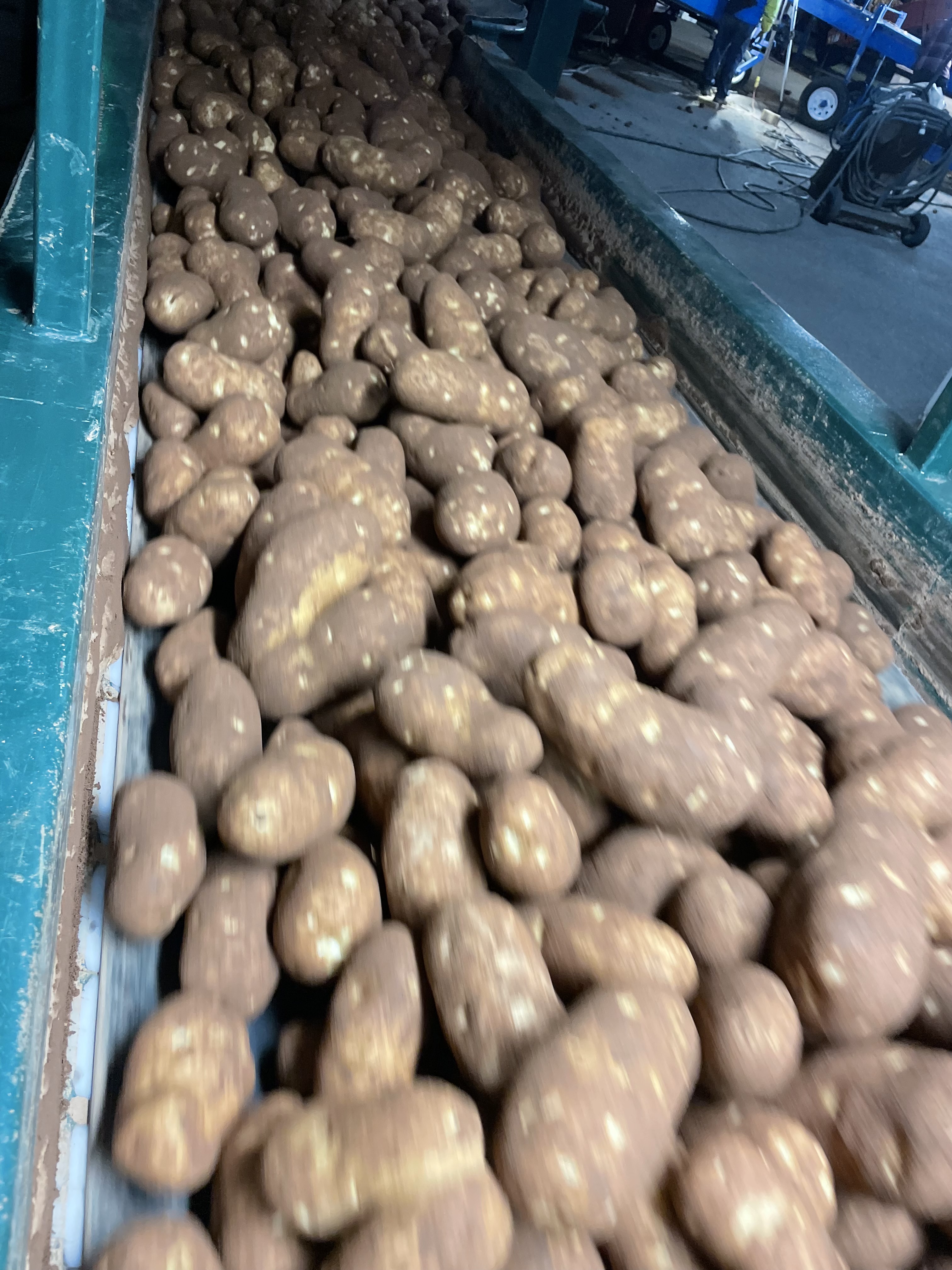
Photo caption: Birch Farms Ltd potatoes at harvest
A product that's now a permanent part of his program
Looking back, Shawn says his only regret was not starting earlier. "My feeling was I was sorry I didn't go with it at least three weeks earlier. Most of these products, you need to be proactive."
Going forward, Megafol is going on every acre – irrigated and dry land – built into his standard program from the start of the season. Applications are planned for every three weeks, tightening every 10 days in times of increased stress.
“The plants can’t tell you when they’re stressed,” he says. “If your crop has stressful days, you're going to have a bad year.”
Performance evaluations are based on internal trials, field observations and/or public information. Data from multiple locations and years should be consulted whenever possible. Individual results may vary depending on local growing, soil and weather conditions.
Always read and follow label directions. The Syngenta logo is a trademark of a Syngenta Group Company. Megafol™ is a trademark of VALAGRO S.p.A., a Syngenta Group Company. © 2026 Syngenta.
